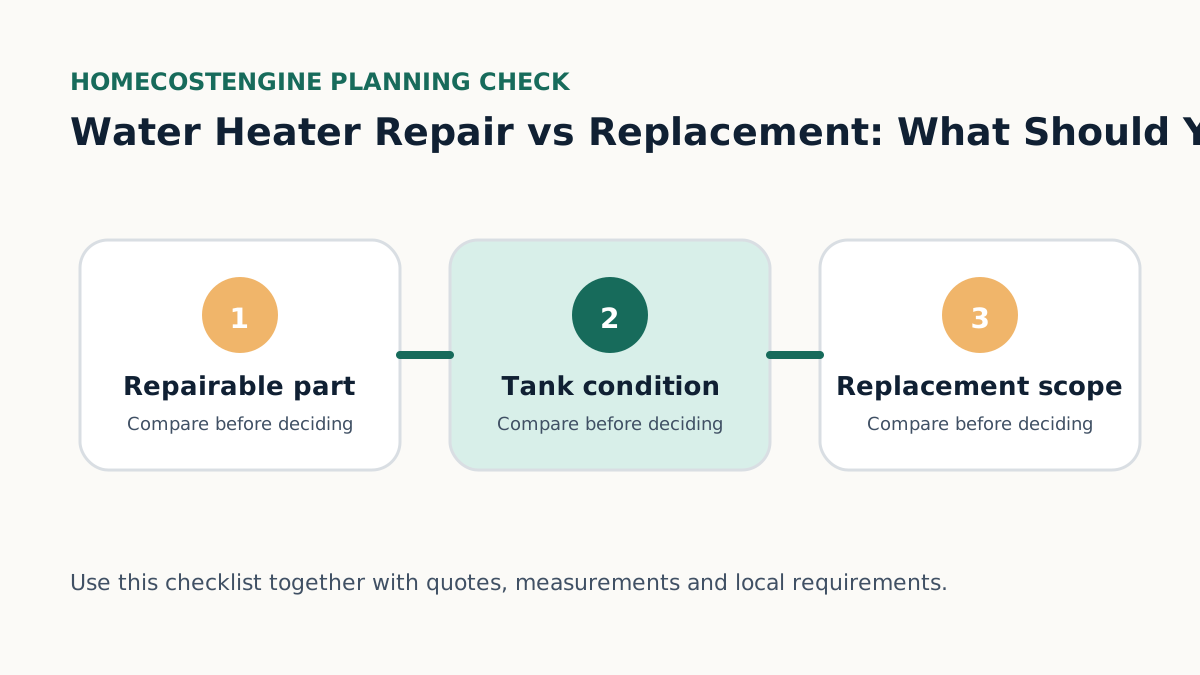
Before deciding, identify whether the problem is a serviceable component or the storage tank, heat exchanger or other major part of the appliance.
Find the source of the problem
No hot water, insufficient hot water, a leaking valve and a leaking tank are different failure modes. Ask for the diagnosis in writing.
A leaking tank is a major warning sign
Leaks from fittings may be repairable, while leakage through the tank body often points toward replacement.
Match the new system to household demand
Tank size, first-hour delivery, fuel type and available space should reflect how the household actually uses hot water.
Compare operating cost and installation cost
A more efficient replacement may reduce energy use, but venting, electrical work, condensate handling or plumbing changes can add upfront cost.
Ask what the replacement quote includes
Removal, disposal, permits, expansion tank, drain pan, shutoff upgrades and code-related changes can be separate items.
Sources and further reading
- U.S. Department of Energy — Water Heating
- U.S. Department of Energy — Purchasing Energy-Efficient Residential Water Heaters