Unexpected water use, damp areas, musty smells and meter movement when fixtures are off can all justify further investigation.

Check the water meter
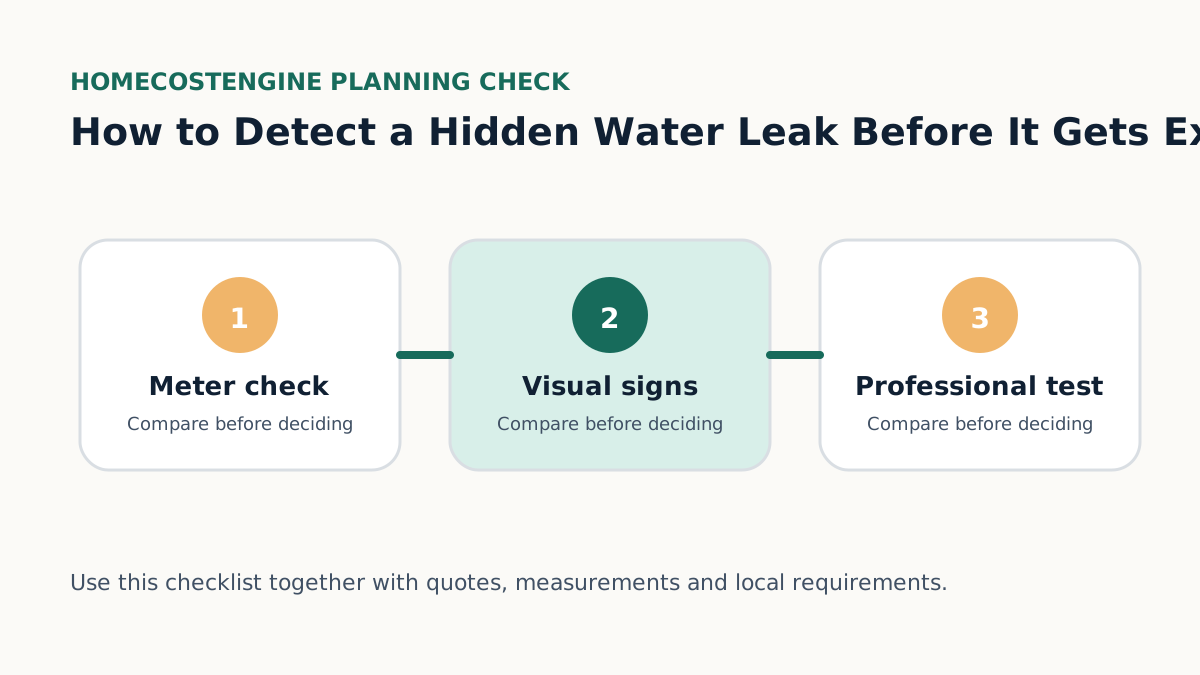
Turn off known water uses and compare the meter reading over a period when nobody is using water. Movement can indicate an active leak somewhere in the system.
Compare water bills over time
A sudden increase that cannot be explained by irrigation, guests or seasonal use may point to a leak.
Inspect common failure points
Look under sinks, around toilets, near water heaters, washing-machine hoses and accessible pipe connections for moisture, staining or corrosion.
Test toilets for silent leaks
Tank-to-bowl leaks can occur without a visible puddle. A dye test can help identify a leaking flapper.
Know when to call a plumber
If the meter suggests a leak but the source is not visible, or if there are signs of wall, ceiling or slab leakage, professional leak detection can help limit unnecessary demolition.
Sources and further reading
- U.S. EPA WaterSense — Fix a Leak Week
- U.S. EPA WaterSense — Leak Detection and Flow Monitoring Devices